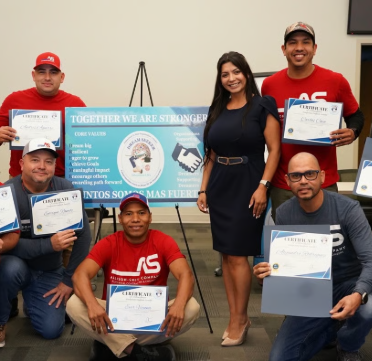
Education is often described as the key to unlocking a brighter future, and in the United States, students are presented with a wealth of opportunities that help them grow, learn, and shine. From innovative programs in schools to community initiatives and support networks, these opportunities go beyond traditional classrooms and textbooks, empowering students to discover their potential, embrace their passions, and prepare for meaningful futures.
One of the most remarkable aspects of education in America is the variety of learning environments available. Schools across the country are designed to nurture different talents and interests, offering specialized programs in science, technology, arts, and sports. These programs allow students to explore their strengths while gaining skills that are increasingly valuable in the modern world. For example, STEM programs encourage students to think critically, solve problems creatively, and work collaboratively. Arts and humanities programs, on the other hand, provide students with the freedom to express themselves, understand diverse perspectives, and develop a sense of empathy and cultural awareness. In this way, students are not only gaining knowledge but also building confidence and resilience—qualities that help them shine both inside and outside the classroom.
Beyond formal education, there are countless extracurricular activities that play a crucial role in student development. Clubs, sports teams, music ensembles, debate groups, and volunteer organizations provide students with avenues to explore their interests, develop leadership skills, and make meaningful connections with peers and mentors. Participating in these activities helps students discover new passions and strengthens their ability to work as part of a team. The sense of accomplishment that comes from contributing to a group or completing a challenging project fosters self-esteem and encourages students to aim higher in their academic and personal pursuits.
Mentorship is another key factor that contributes to student success. Across the United States, students can access programs that pair them with experienced mentors who provide guidance, encouragement, and practical advice. Mentors can be teachers, professionals, community leaders, or older students who have already navigated similar paths. Through mentorship, students gain insights into potential career paths, develop essential life skills, and receive support during challenging moments. This kind of personalized guidance can be transformative, helping students envision a future filled with opportunities and giving them the confidence to pursue it.
Access to technology and digital resources also plays a significant role in enhancing student opportunities. In today’s interconnected world, students in the United States can access online courses, virtual libraries, educational apps, and interactive learning platforms that complement their classroom experiences. These resources allow students to learn at their own pace, explore topics that interest them deeply, and even connect with experts and peers from around the world. Digital literacy, which includes the ability to navigate technology responsibly and effectively, has become an essential skill. By developing these competencies, students are better prepared to thrive in a rapidly changing global landscape.
Scholarships and financial support programs further expand opportunities for students to achieve their dreams. Many organizations, educational institutions, and foundations offer scholarships based on academic merit, talent, or financial need. These resources help make higher education more accessible and reduce the barriers that might otherwise prevent students from pursuing their goals. Knowing that support is available can motivate students to strive for excellence, explore ambitious projects, and engage fully in their educational journeys. The sense of possibility created by such opportunities encourages students to aim high and believe in their potential.
Community engagement is another dimension that allows students to shine. Participating in service projects, local initiatives, and volunteer programs teaches students the importance of giving back and fosters a sense of responsibility and empathy. Through these experiences, students develop communication and problem-solving skills while making meaningful contributions to society. Community involvement also helps students build networks, form friendships, and gain experiences that shape their character and worldview. In many ways, these real-world experiences complement classroom learning and prepare students for the challenges and opportunities they will encounter as adults.
Leadership development programs are increasingly recognized as vital to student growth. Whether through student government, peer mentoring programs, or youth leadership initiatives, students in America are encouraged to take ownership of projects, voice their ideas, and inspire others. Leadership opportunities teach valuable skills such as decision-making, conflict resolution, and strategic planning. Students who engage in these programs often find themselves more confident, capable, and ready to embrace challenges. The experience of leading a team or managing a project also reinforces the importance of perseverance, collaboration, and adaptability, qualities that are essential in both academic and professional life.
An essential factor in all these opportunities is the support network provided by families, educators, and communities. Students thrive when they feel encouraged, understood, and empowered. Schools often work in partnership with parents to create environments where students can explore, experiment, and learn from mistakes without fear of judgment. Teachers, counselors, and support staff provide guidance and encouragement, helping students navigate academic challenges and personal growth. A supportive environment makes it easier for students to pursue their passions, take risks, and discover their unique strengths.
The diversity of the American educational landscape also contributes to the richness of opportunities available to students. Exposure to peers from various cultural, social, and economic backgrounds allows students to develop tolerance, empathy, and cultural awareness. Collaborative projects, group discussions, and multicultural events help students learn the value of different perspectives and prepare them to succeed in diverse settings. In an increasingly interconnected world, these experiences are invaluable, equipping students with the interpersonal and intercultural skills needed to thrive.
Ultimately, the opportunities that help students shine in America are not limited to academic achievement alone. They encompass personal growth, creativity, leadership, community engagement, and digital literacy. When students are encouraged to explore their interests, supported in their efforts, and provided with the tools and guidance necessary to succeed, they develop into confident, capable, and resilient individuals. These experiences lay the foundation for lifelong learning, curiosity, and achievement.
In conclusion, the United States offers a landscape rich with opportunities that enable students to discover their potential, pursue their passions, and develop the skills they need to succeed in life. Through specialized programs, extracurricular activities, mentorship, access to technology, scholarships, community engagement, leadership development, and supportive networks, students are empowered to shine in their own unique ways. By embracing these opportunities, young learners not only achieve academic success but also grow into well-rounded individuals prepared to navigate the challenges of the modern world. In every corner of the country, the potential for students to flourish is vast, and the support systems in place ensure that every student has a chance to explore, learn, and shine brightly.