Every student who steps onto an American college campus carries hopes, dreams, and a bit of nervous excitement. Confidence plays a big part in shaping those dreams into reality. While many think confidence comes naturally, it is actually something that grows with experience, support, and self-discovery. Across campuses in the United States, there are quiet yet powerful secrets that help students build confidence every single day. These secrets are woven into campus life, friendships, classroom experiences, and personal choices.
The first secret lies in the warm welcome that most American universities offer their students. Orientation programs are designed not just to show new students around but to make them feel that they belong. From the very first week, students are encouraged to connect with others, ask questions, and explore different aspects of college life. This early sense of inclusion helps new students, especially those from different states or countries, realize that confidence begins with feeling comfortable in a new environment. When students see that everyone is learning together, they begin to trust themselves more.
A second secret can be found in the diversity that defines U.S. campuses. Students come from different parts of the world, bringing unique ideas, stories, and perspectives. Interacting with such a wide range of people broadens one’s thinking and nurtures understanding. It builds a kind of cultural confidence—an ability to express one’s background while learning from others. Over time, these interactions make students more open-minded and more assured in sharing their thoughts. Confidence, in this sense, is not about being the loudest voice in the room, but about having the courage to speak authentically.
Another important campus secret is participation. Whether it’s joining a club, volunteering, or taking part in a campus event, involvement creates opportunities to grow. American universities encourage students to explore activities beyond the classroom because these experiences teach leadership, teamwork, and self-expression. A shy student who joins a debate club may discover a strong voice, while another who volunteers in a community project may find purpose through service. Each small step taken outside one’s comfort zone builds layers of confidence that last far beyond graduation.
Classroom experiences themselves hold another layer of confidence-building magic. Professors in U.S. colleges often emphasize participation, critical thinking, and personal interpretation. Students are not only taught facts but are also encouraged to question, analyze, and express their viewpoints. This academic culture fosters a sense of independence and belief in one’s ideas. The more students contribute to discussions, the more they begin to trust their knowledge and instincts. Over time, this classroom engagement shapes both intellectual and emotional confidence.
Support systems across campuses also play a crucial role. Many universities offer counseling centers, mentorship programs, and peer groups designed to help students adjust and thrive. When a student feels overwhelmed or unsure, these resources provide guidance and reassurance. Seeking support is not a sign of weakness but of strength and maturity. It teaches students to manage challenges with resilience. The simple act of asking for help can make a huge difference in rebuilding confidence during stressful times.
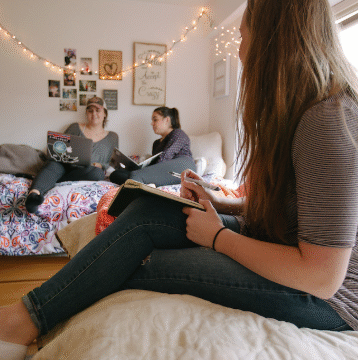
Social spaces on campus also carry their own secrets to boosting confidence. Cafeterias, student centers, and libraries become meeting places where friendships form and ideas flow. Through casual conversations and shared study sessions, students learn how to express themselves in social settings. These daily interactions gradually dissolve fears of judgment and help students feel more at ease in their surroundings. Friendships built on understanding and respect can become a steady source of encouragement throughout college life.
Another overlooked secret lies in setting personal goals. American campuses are filled with opportunities, but confidence grows most when students take charge of their journey. Setting small, achievable goals—like improving grades, attending networking events, or speaking up in class—helps build momentum. Each time a goal is reached, no matter how small, it reinforces self-belief. Over time, students realize that confidence is not something to wait for but something to build through consistent effort and reflection.
The sense of community that thrives on U.S. campuses also strengthens confidence in subtle ways. Group projects, student organizations, and campus traditions all encourage cooperation and belonging. When students see that they contribute to something larger than themselves, they feel valued. This collective spirit reminds them that everyone has something unique to offer. Confidence flourishes when people feel that their presence matters.
Even failure holds an important place in the journey toward confidence. On American campuses, students quickly learn that setbacks are part of growth. Failing an exam, losing a competition, or missing an opportunity can feel discouraging, but it also opens the door to learning. Professors and mentors often emphasize resilience and reflection, encouraging students to see challenges as lessons rather than losses. Each recovery from a difficult moment strengthens inner confidence and prepares students for future success.
A major part of building confidence also comes from self-discovery. College life in America offers students the chance to explore their passions, values, and strengths. Through internships, creative projects, and leadership roles, students uncover talents they might not have recognized before. The more they understand who they are and what they can contribute, the more confident they become. This personal growth forms the foundation of a confident life after graduation.
Another confidence secret on campus is communication. American universities promote open dialogue—whether it’s between professors and students, or among peers. Learning to communicate effectively not only boosts academic success but also prepares students for real-world situations. Confident communication involves listening, understanding others’ perspectives, and expressing ideas clearly. These skills are essential for building trust and credibility in both academic and professional settings.
Healthy living is yet another piece of the confidence puzzle. Campuses in the United States often emphasize wellness through fitness centers, recreational programs, and mental health initiatives. Physical activity, proper nutrition, and mindfulness all contribute to a balanced state of mind. When students feel physically strong and mentally calm, they naturally project confidence. A healthy lifestyle supports positive thinking and helps students face challenges with energy and optimism.
Finally, gratitude and reflection help sustain confidence over time. Many students find that taking a few minutes to appreciate their progress, friendships, and opportunities builds a stronger sense of self-worth. Reflection allows them to see how far they have come and recognize their resilience. Confidence is not built in a single day—it grows quietly through self-awareness and gratitude for every step taken forward.
Campus life in America offers far more than just academic learning. It provides an environment that encourages self-belief, independence, and connection. The real secret to strengthening student confidence lies in embracing every experience—both the exciting and the challenging—with curiosity and courage. Each day spent on campus offers a new chance to grow stronger, wiser, and more self-assured.
For students studying in the United States, confidence is not a distant goal. It is something that develops through friendships, learning experiences, and personal choices. By staying open to growth, asking for help when needed, and celebrating progress, every student can uncover the confidence that already lives within them. And that confidence, once discovered, becomes the key that opens the door to future success and happiness far beyond the campus gates.